RBA lifts cash rate to 4.85 per cent, its highest level since 2008
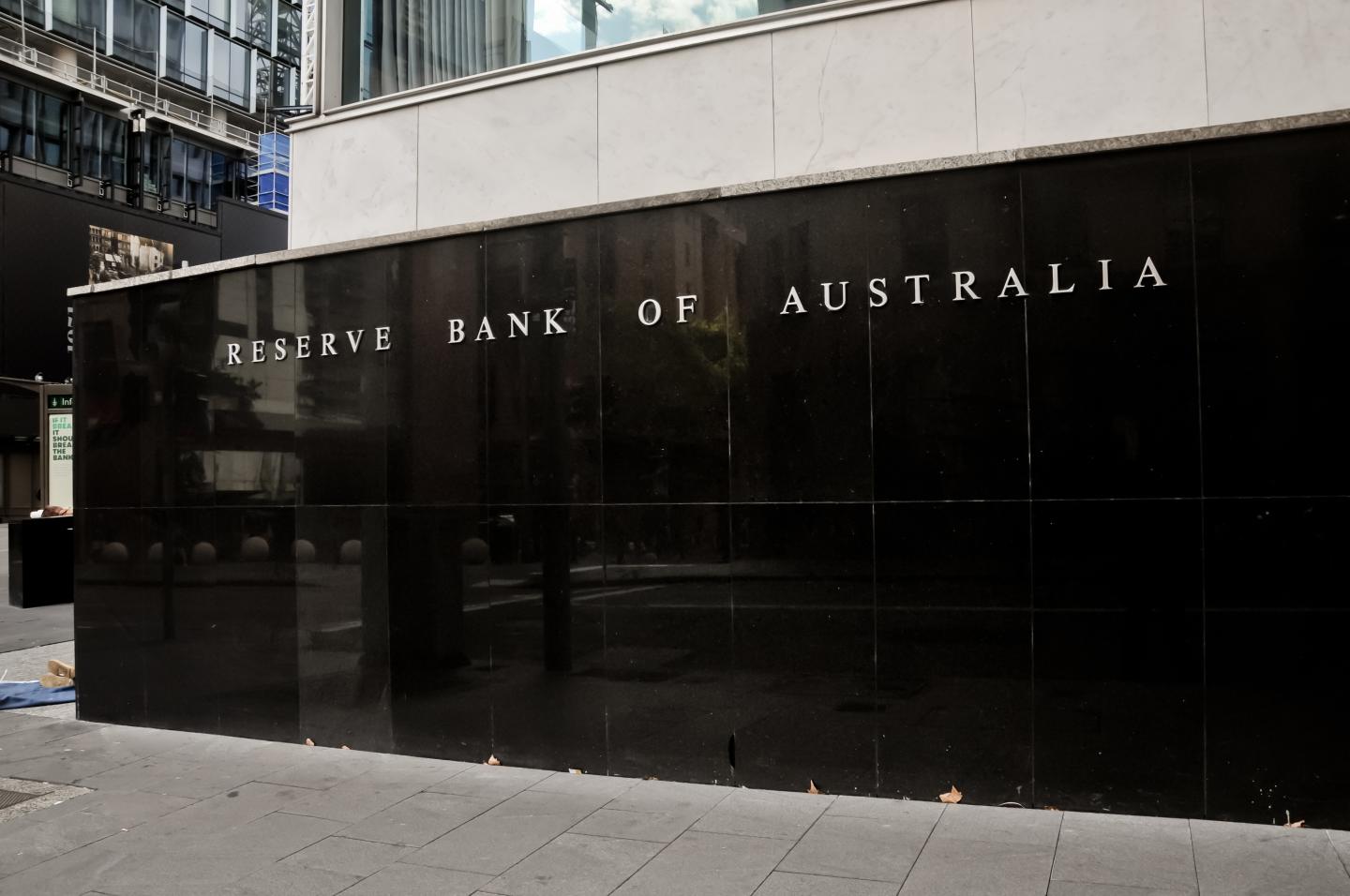
The Reserve Bank of Australia has lifted the cash rate by 25 basis points to 4.85 per cent, taking it to its highest level since late 2008.
Announced on Melbourne Cup Day, the decision marks the Reserve Bank's fifth increase this year, following rises in February, March, May and September. The cash rate has now climbed 1.25 percentage points since the start of 2026, when it sat at 3.60 per cent.
The decision was not unanimous. Six members of the Monetary Policy Board voted to raise the cash rate, while three voted to leave it unchanged at 4.60 per cent.
"Inflation remains elevated and recent data indicate that it is broadly based," the Board said in its statement. Annual CPI inflation rose to 4.3 per cent in the year to September, while trimmed mean inflation, the Reserve Bank's preferred measure of underlying inflation, reached 3.6 per cent. Both remain above the 2–3 per cent target band.
The decision follows a run of increasingly hawkish commentary from the Reserve Bank's leadership. Governor Michele Bullock told a Senate hearing last week that inflation was "far too high", while Deputy Governor Andrew Hauser warned that inflation expectations drifting away from target would be a "central banker's nightmare".
The Reserve Bank also revised its inflation forecasts materially higher. It pointed to higher fuel and commodity prices linked to the conflict in the Middle East, domestic capacity pressures that were tighter than previously estimated, and rapid price growth in technology-related goods driven by AI investment.
At the same time, the Board acknowledged the economy is slowing, the unemployment rate has risen and housing prices have fallen significantly. It expects slower growth over the coming year to ease capacity pressures and help bring inflation back to target.
For borrowers, the latest rise is expected to lift the average variable rate on a new owner-occupier home loan to around 6.75 per cent, according to Savings.com.au estimates, with lenders expected to announce how much of the increase they will pass on in the coming days.
How do rising interest rates affect off-the-plan buyers and new developments?
The decision also comes as the property industry warns that higher borrowing costs are weighing on new housing. Real Estate Institute of Queensland chief executive Antonia Mercorella said higher rates, reduced borrowing capacity and policy uncertainty had combined to create a "perfect storm" for the new housing market, warning developers could scale back new projects if buyer and investor demand remains subdued.
That concern reflects a broader tension in the Reserve Bank's approach. Higher rates are designed to cool demand, but they also make new development harder to finance and sell at a time when Australia is trying to lift housing supply.
For off-the-plan buyers, the impact depends heavily on timing. Purchasers who exchanged on apartments during earlier stages of the cycle typically secure formal finance closer to settlement, which means their borrowing capacity will be assessed under the interest rate settings in place when the building is complete, not when they signed the contract.
Buyers approaching settlement over the coming months may therefore want to review their finance position early, particularly if property values in their area have softened since exchange.
The question now is whether this is the final rise of the cycle. Commonwealth Bank expects the Reserve Bank to hold from here, with rate cuts pencilled in for August and November 2027 if inflation eases as forecast. ANZ, however, sees a material risk that the cash rate reaches 5.10 per cent by December or February.
The Reserve Bank's final meeting for 2026 will be held on 8 December.
Joel Robinson
Joel Robinson is the Editor in Chief at Apartments.com.au, where he leads the editorial team and oversees the country’s most comprehensive news coverage dedicated to the off the plan property market. With more than a decade of experience in residential real estate journalism, Joel brings deep insight into Australia’s evolving development landscape.
He holds a degree in Business Management with a major in Journalism from Leeds Beckett University in the UK, and has developed a particular expertise in off the plan apartment space. Joel’s editorial lens spans the full lifecycle of a project, from site acquisition and planning approvals through to new launches, construction completions, and final sell-out, delivering trusted, buyer-focused content that supports informed decision-making across the property journey