BuyingANZ brings forward interest rate cut forecast as cracks emerge in Australian economy
ANZ brings forward interest rate cut forecast as cracks emerge in Australian economy
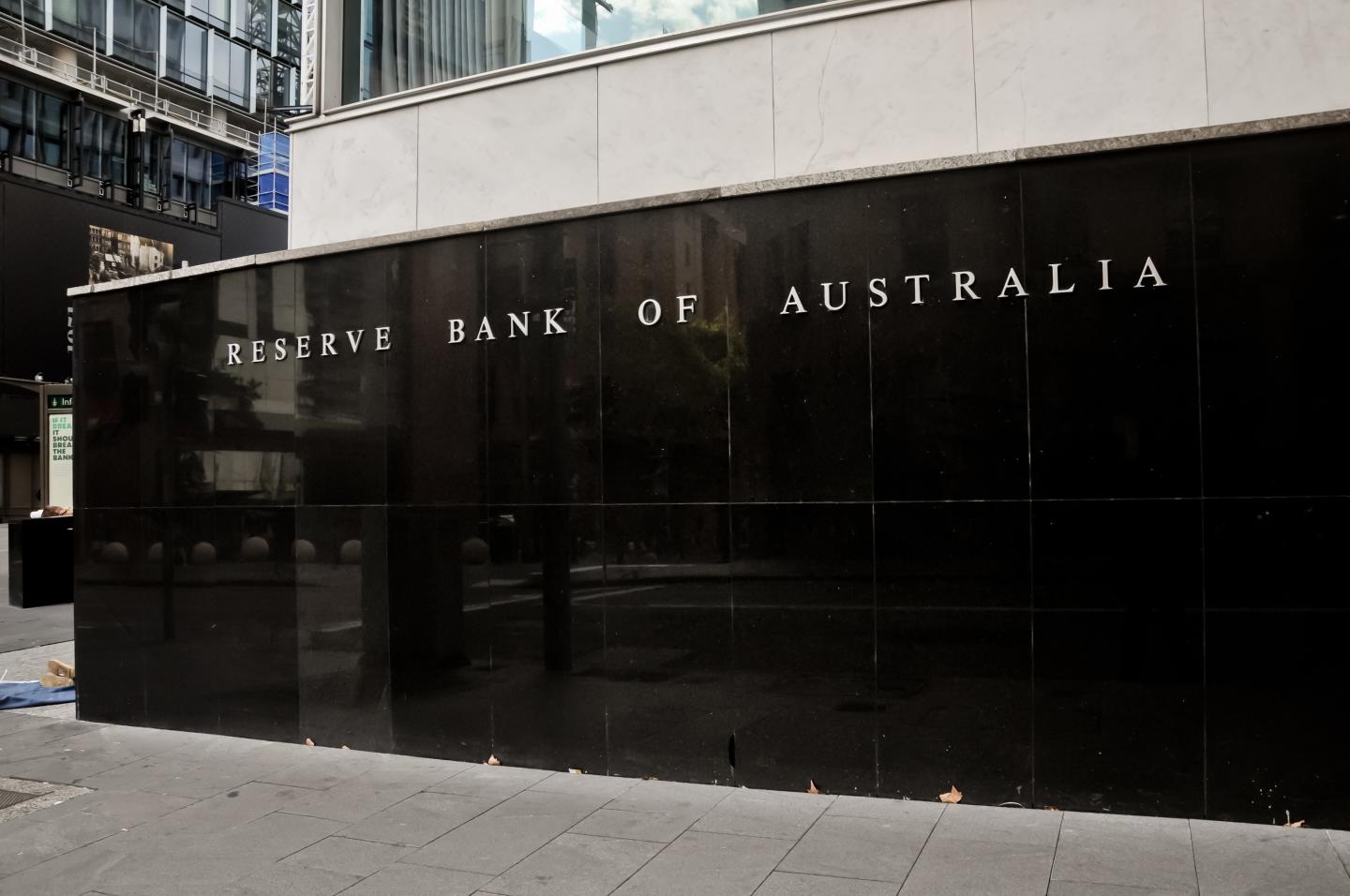
ANZ has brought forward its forecast for the Reserve Bank of Australia's first interest rate cut to June 2027, with the major bank expecting two cuts before the end of next year as the Australian economy shows increasing signs of slowing.
In a research note released on Tuesday, ANZ Head of Australian Economics Adam Boyton said the bank now expects the RBA to cut the official cash rate by 25 basis points in June, followed by another reduction in August, taking the cash rate from its current level of 4.85 per cent to 4.35 per cent.
A further cut in February 2028 is expected to bring the cash rate to 4.10 per cent.
ANZ had previously anticipated the first rate cut would come in November 2027, with the revised forecast now putting the bank ahead of its big four counterparts in predicting when mortgage holders could start to see some repayment relief.
The change in outlook comes less than a month after the RBA delivered its fifth interest rate increase of 2026, taking the cash rate to its highest level since 2008.
Boyton identified three key economic developments that would need to materialise over the next six months to warrant a rate cut in the first half of 2027: a further deterioration in the labour market, an unwinding of excess demand across the economy, and a moderation in underlying inflation.
“There is already evidence that points to each of these being likely to occur over that time frame,” Boyton said.
Housing market could hold the key to the next rate cut
While the weakening labour market will be a significant consideration for the RBA, it could be the housing market that ultimately determines how quickly the central bank is able to move.
ANZ believes there is a plausible path for quarterly trimmed mean inflation, the RBA's preferred measure of underlying inflation, to fall to 0.7 per cent in the March quarter of 2027, down from one per cent in the September quarter of 2026.
That would put the quarterly pace of underlying inflation back within a range consistent with the RBA's annual inflation target of two to three per cent.
“The path is through housing,” Boyton said.
“With new dwelling purchase prices currently moving sideways in month-on-month terms and established house prices falling rapidly, we would expect new dwelling purchase prices to fall around 0.25% q/q in the March quarter 2027 CPI versus the increase of around 1% in the September quarter 2026.”
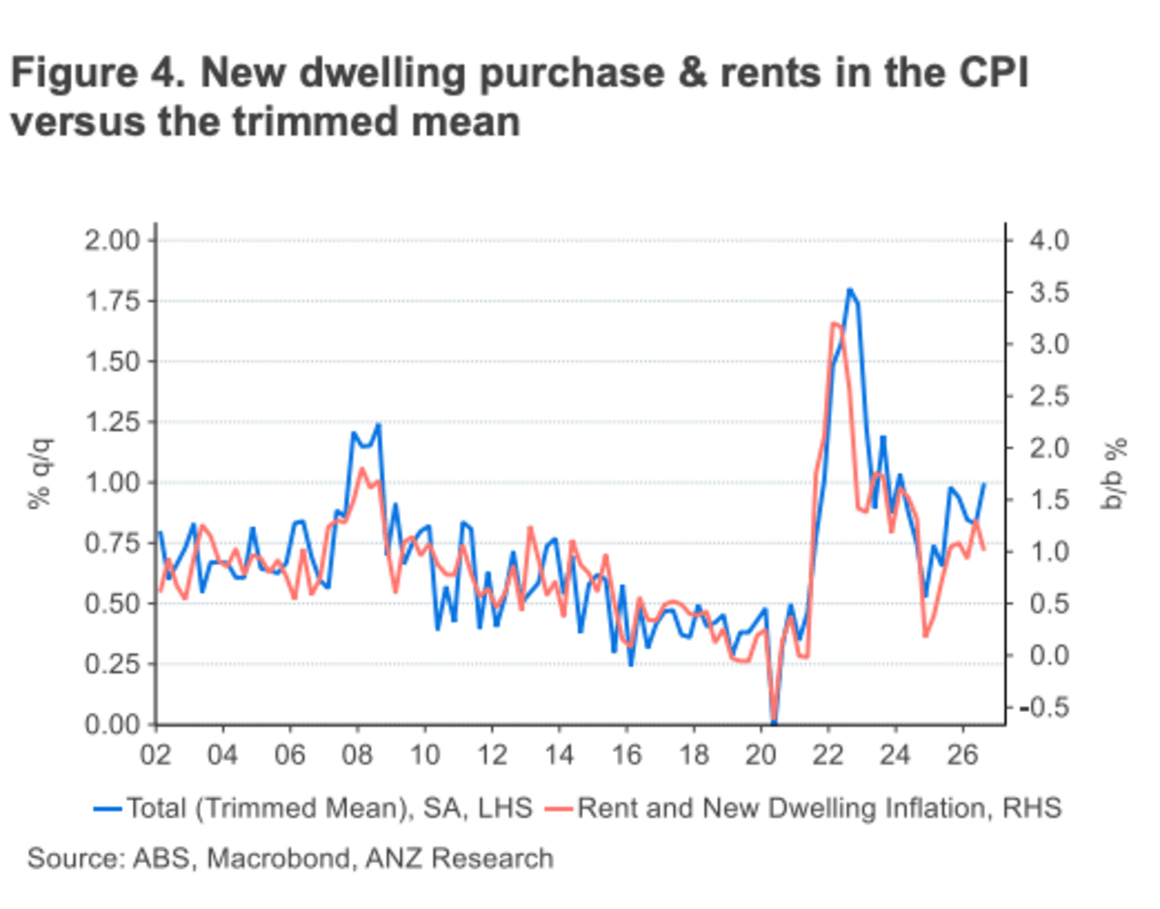
While ANZ expects rents to continue increasing by around one per cent per quarter in the near term, Boyton noted inflation across newly advertised rents is already falling, although it will take time for that to filter through to the CPI.
The March quarter inflation figures, due in late April, could prove pivotal.
“If the March quarter trimmed mean remains around 0.8–0.9%, easing would shift into the second half of 2027,” Boyton said.
Unemployment rising quicker than anticipated
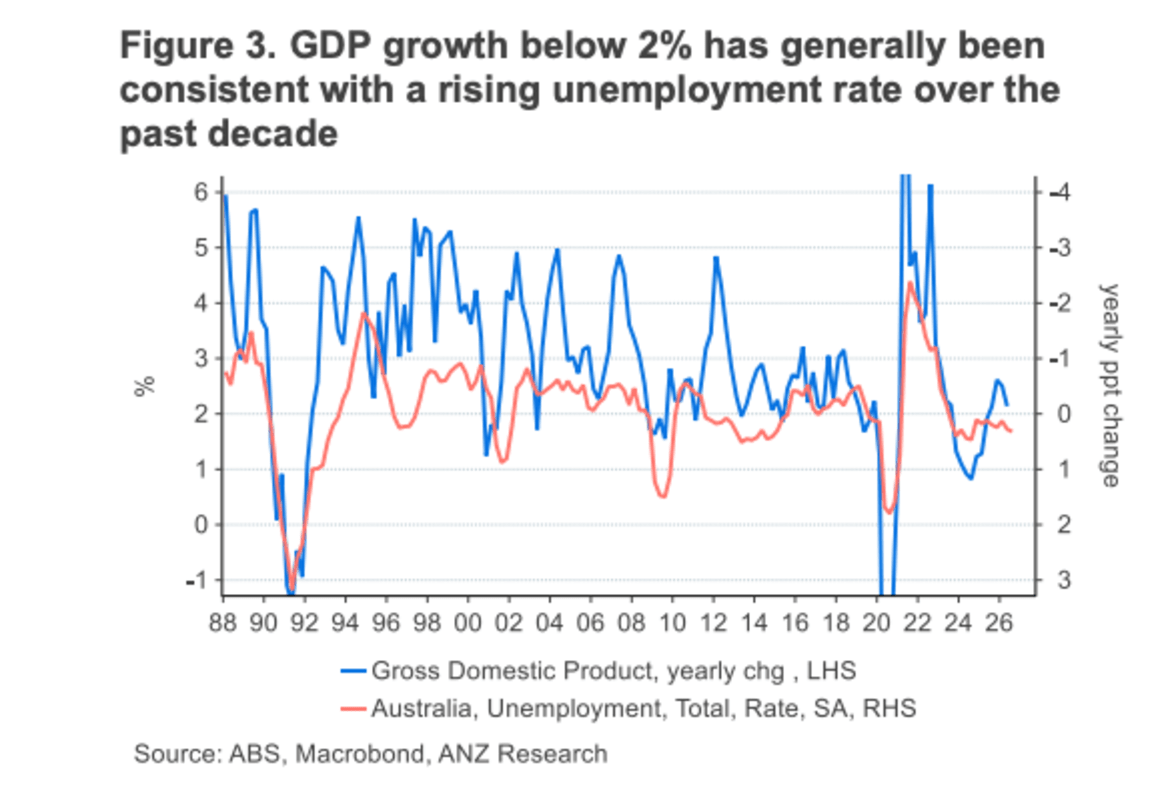
The latest Australian Bureau of Statistics employment figures showed the unemployment rate climbed from 4.7 per cent in September to 4.9 per cent in October, its highest level in five years.
The economy shed nearly 80,000 jobs across September and October, with unemployment already reaching a level the RBA had not anticipated until the end of 2027.
ANZ expects unemployment to move above five per cent in the first quarter of next year, with elevated borrowing costs continuing to weigh on economic activity.
“With the cash rate restrictive and growth likely to run below trend, it is hard to see the unemployment rate not continuing to rise,” Boyton said.
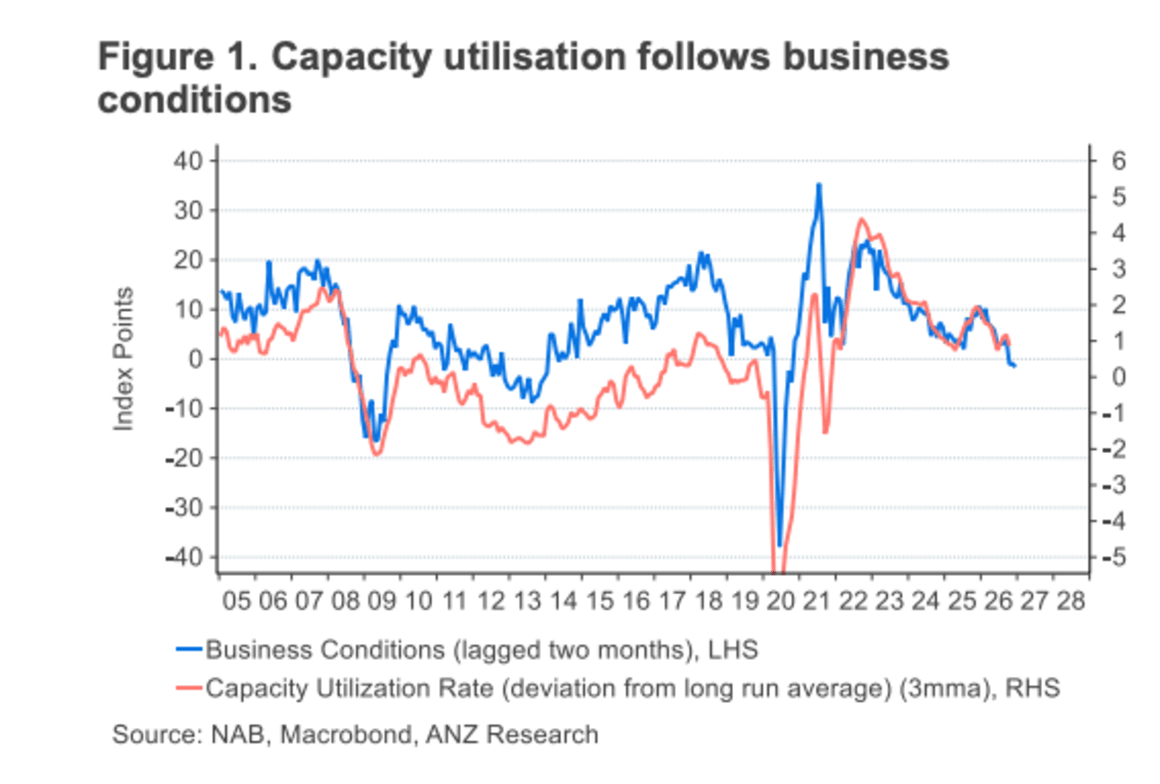
There are also signs that the capacity pressures across the Australian economy, which the RBA has repeatedly cited as a contributor to persistent inflation, are beginning to ease.
Capacity utilisation fell from around 83.5 per cent in late 2025 to 82.1 per cent in October 2026, while business conditions have continued to deteriorate.
ANZ believes much of the remaining excess demand across the economy could disappear by the end of this year or early next year.
Why June rather than May?
While the RBA will have the benefit of March quarter inflation data when it meets in May, ANZ believes the timing of the federal budget could prevent the central bank from moving until June.
The RBA is likely to want visibility over any government spending measures that could stimulate the economy and reduce the need for monetary policy easing.
By June, the Monetary Policy Board will also have March quarter GDP data, giving it a clearer picture of how significantly the economy has slowed.
Boyton said the decision would not necessarily reflect a belief that monetary policy needs to become stimulatory, but rather that the current level of interest rates may be unnecessarily restrictive.
When are the other big four banks expecting interest rate cuts?
ANZ's revised outlook puts it two months ahead of Commonwealth Bank, Westpac and NAB, all of which have been forecasting the first interest rate reduction in August 2027.
NAB, in its November Australian Forward View, released last Friday, downgraded its 2027 economic growth forecast from 1.5 per cent to just one per cent, while tipping unemployment to reach 5.4 per cent by the end of next year.
Commonwealth Bank continues to forecast two 25-basis-point reductions in August and November 2027.
“We expect this November rate hike to add to the slowdown in growth and gradually bring inflation back to target,” CBA Head of Australian Economics Belinda Allen said earlier this month.
Westpac has also become increasingly convinced the cash rate has peaked, following weaker-than-anticipated housing market activity and emerging weakness in household spending.
“Further interest rate hikes are not only unlikely, but undesirable,” Westpac Chief Economist Luci Ellis said earlier this month.
While the major banks differ on the timing of monetary policy easing, all four are anticipating some interest rate relief in 2027.
For prospective apartment buyers, particularly those looking at off-the-plan developments scheduled for completion in 2027 and 2028, the outlook for borrowing conditions at settlement is beginning to look more favourable, although lending capacity will remain dependent on individual circumstances.
The RBA will meet for the final time this year on December 8.
Joel Robinson
Joel Robinson is the Editor in Chief at Apartments.com.au, where he leads the editorial team and oversees the country’s most comprehensive news coverage dedicated to the off the plan property market. With more than a decade of experience in residential real estate journalism, Joel brings deep insight into Australia’s evolving development landscape.
He holds a degree in Business Management with a major in Journalism from Leeds Beckett University in the UK, and has developed a particular expertise in off the plan apartment space. Joel’s editorial lens spans the full lifecycle of a project, from site acquisition and planning approvals through to new launches, construction completions, and final sell-out, delivering trusted, buyer-focused content that supports informed decision-making across the property journey