Perth apartment sales hit strongest pace since late 2021 as builder capacity tightens
Perth’s new apartment market recorded its strongest quarter of sales since Q4 2021, with 412 apartments sold in Q1 2026 and a record quarterly sold value of $537 million, according to Urbis’ latest Apartment Essentials results.
Urbis said the March quarter result reflects strong, highly product‑specific demand across both ends of the market, from more attainable projects delivering at scale, through to premium stock being absorbed by equity‑rich downsizers.
David Cresp, Partner at Urbis, said the key story in Perth is not demand, it is the market’s ability to convert demand into delivered housing.
“This is the strongest sales quarter since Q4 2021, and it reinforces that demand in Perth is real and it’s local,” David Cresp said. “But the task now is delivery, turning that demand into projects that can actually be built and completed.”
Affordable product leads, premium demand remains resilient
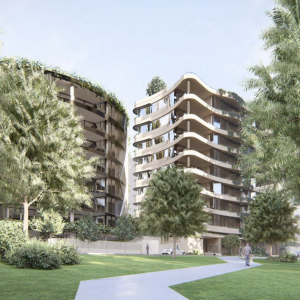
Sales in Q1 were led by more affordable projects, with The Boulevard (SKS Group) recording 115 sales in the quarter, the presentation noting this is only the second time a single project has surpassed 100 quarterly sales. The project was able to offer more affordable housing product right next to a train station.
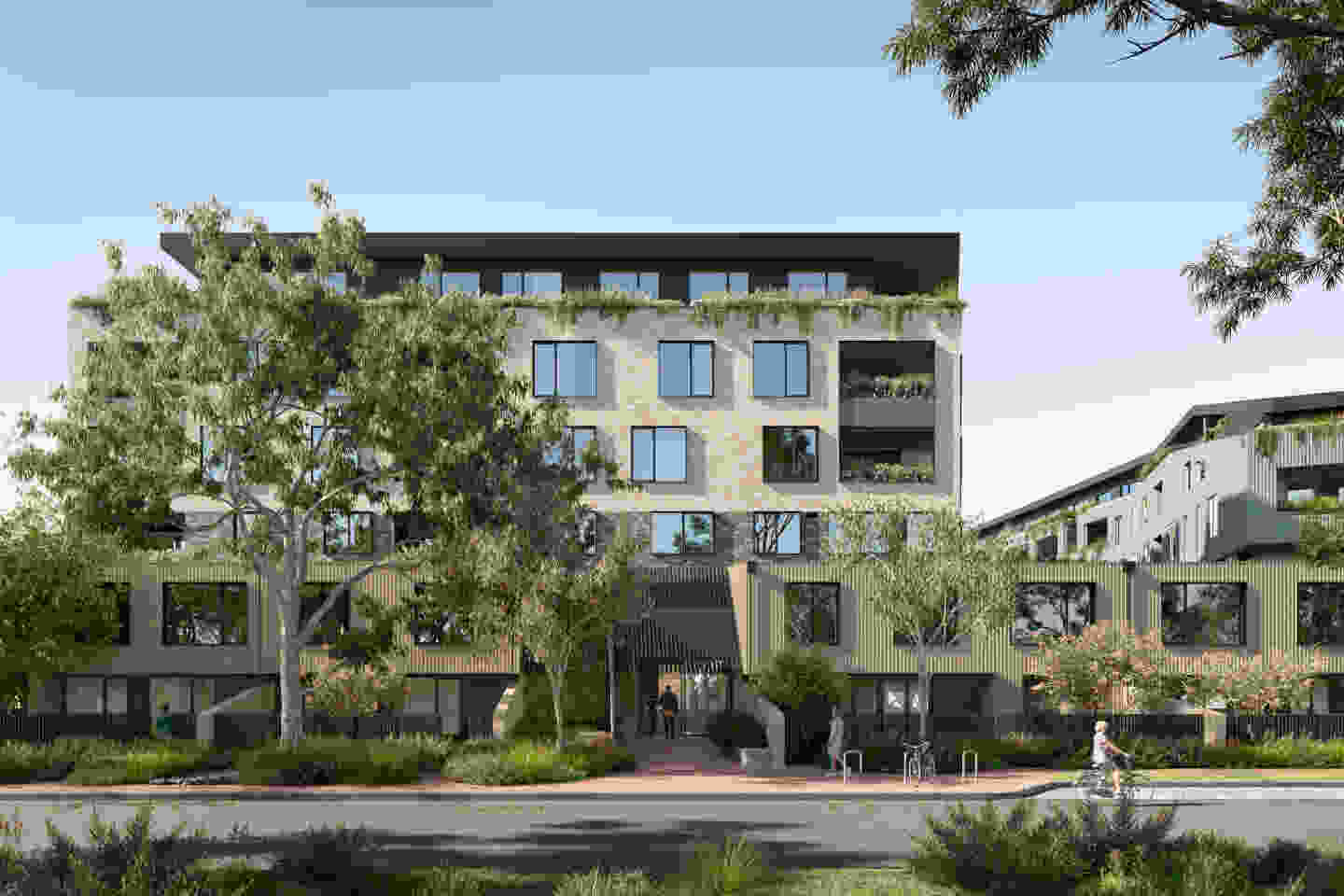
Palmyra West (Finbar) also delivered strong results with 28 sales in Q1, following 84 sales in Q4, with an average price of under $800,000, underscoring depth of demand for well‑located, attainable new stock.
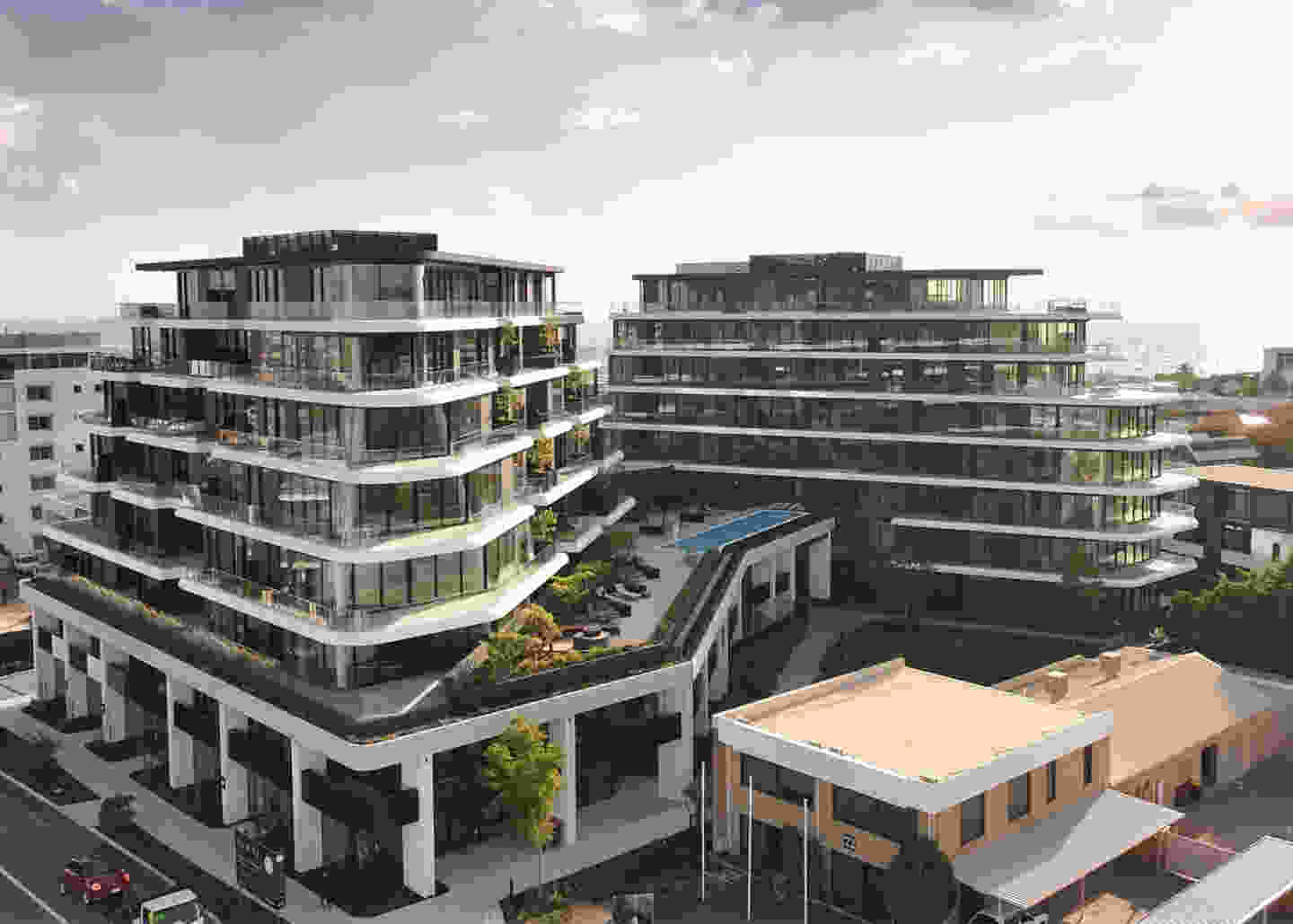
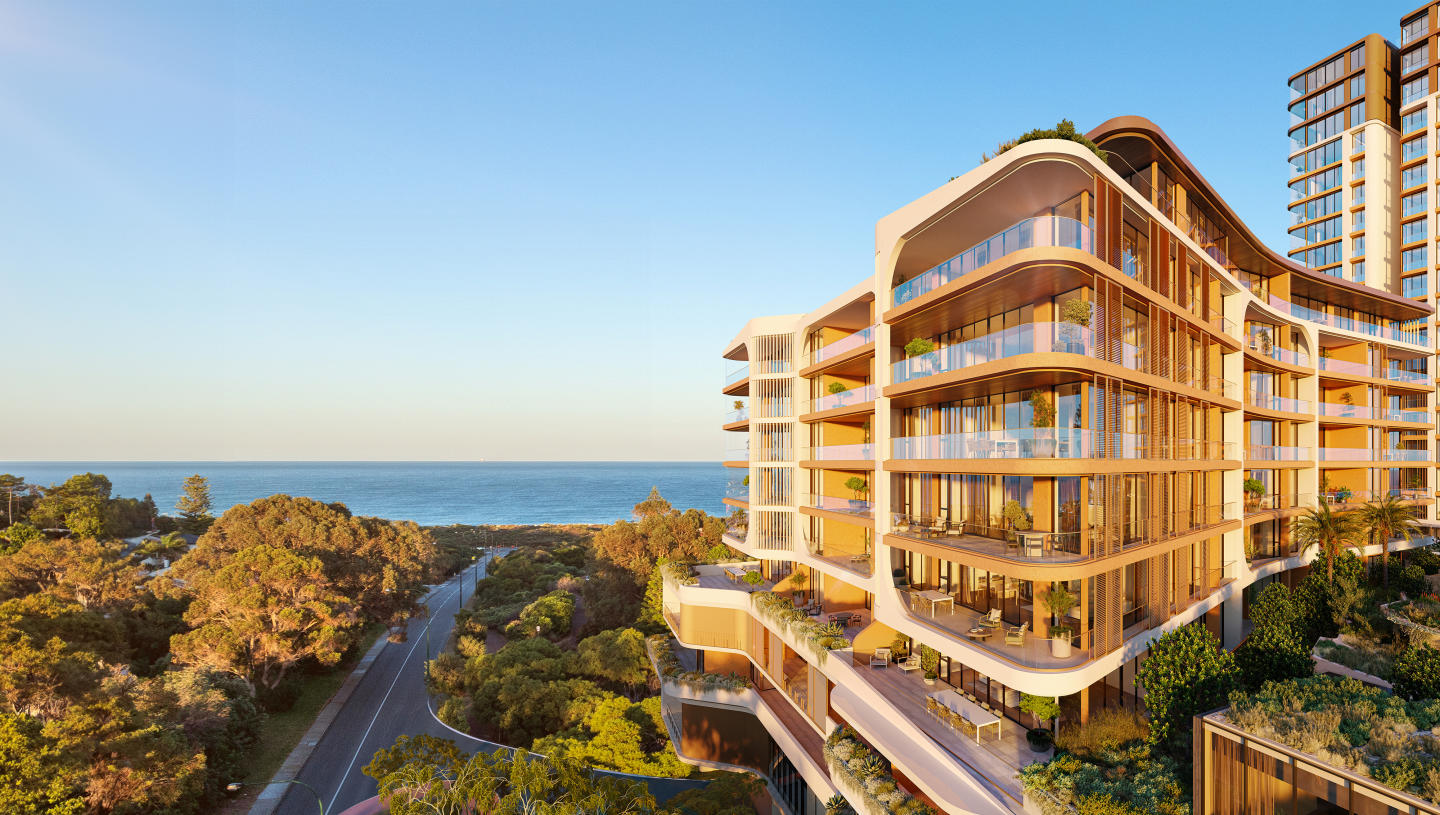
At the premium end, Urbis said downsizer demand is continuing, with the results highlighting Romeo (Applecross, Finbar) recording 75 sales and reaching almost 50% sold in one quarter.
Jual (Shenton Park, Celsius Property) also posted a strong quarter with 28 sales, reaching 39% sold in one quarter.
Urbis noted that Perth apartment demand is not speculative, not investor‑led, and not uniform, describing it as localised, often equity‑driven and highly product‑specific, a pattern reflected in the polarisation between strong “attainable” performers and premium downsizer product.
Prices underpinned by costs, and the delivery risk is growing
Urbis said pricing pressure is cost not demand‑driven: construction costs and delivery risk are now a central constraint, with the results noting build costs remain elevated and volatile, and that energy, fuel and labour uncertainty weigh on feasibility.
David Cresp said a growing challenge for private Build‑to‑Sell developers is simply securing a builder in the current environment.
“Developers are really feeling the pressure from a building market that was operating at capacity and securing a builder is challenging,” David Cresp said, adding that even where a builder can be secured, “trying to get to the price that makes the development financially viable is incredibly challenging in the current market.”
Urbis’ broader WA commentary also notes that industry remains at or above capacity with lot and housing creation, and that many builders are limiting new sales to manage stretched workforces and fixed‑price contract pressures, conditions that flow directly into apartment feasibility and delivery timing.
Supply: improving later, but still constrained, and Perth lags eastern benchmarks
While near‑term supply remains constrained, Urbis’ forecast shows completions lifting “Supply is forecast to be back above 1,500 apartments per annum for the first time since 2019”, with 1,775 completions forecast for 2026, and volumes remaining above that level over the following years.
Looking further ahead, completions are forecast to reach 2,500 in 2028, with the report noting 32% of that total is social/affordable, reflecting the role of government‑supported delivery in rebuilding the pipeline.
However, Urbis said Perth remains behind comparable markets on pipeline scale. In a national comparison of projects under construction, the report shows under construction Perth Build‑to‑Sell (BTS) at 3,446 apartments versus the Gold Coast at 7,922. Mr Cresp said “The challenge for Perth is how to we grow the delivery pipeline”.
Urbis’ conclusion is that Perth’s market is increasingly defined by product discipline and delivery certainty, with the research identifying “delivery certainty is key” and calling out builder risk and procurement models as core success factors, alongside “timing and staging”.
Joel Robinson
Joel Robinson is the Editor in Chief at Apartments.com.au, where he leads the editorial team and oversees the country’s most comprehensive news coverage dedicated to the off the plan property market. With more than a decade of experience in residential real estate journalism, Joel brings deep insight into Australia’s evolving development landscape.
He holds a degree in Business Management with a major in Journalism from Leeds Beckett University in the UK, and has developed a particular expertise in off the plan apartment space. Joel’s editorial lens spans the full lifecycle of a project, from site acquisition and planning approvals through to new launches, construction completions, and final sell-out, delivering trusted, buyer-focused content that supports informed decision-making across the property journey