Inside Wimba Ave, Kew’s garden-scale residences designed for space and permanence
In Melbourne’s established inner east, the qualities that define a traditional house, width, height, and access to open ground, are increasingly difficult to replicate in new residential developments. Larger landholdings are scarce, and with them, the ability to create apartments that extend beyond compact, internalised layouts.
In Kew, where the residential fabric is shaped by generous setbacks and mature tree canopies, that tension is especially visible.
Ricdanic is bringing forward a boutique collection of just 13 residences across two buildings at 9–11 Wimba Avenue, Kew. Comprising six homes at No.9 and seven at No.11, the project sits on a quiet, tree-lined street just off Cotham Road.
Each apartment has been planned with a level of independence more commonly associated with standalone dwellings, balancing privacy with the efficiencies of apartment living.
Architect Chris Idle, who has been practising for over two decades, says projects like this don’t come along often.
“There are very few opportunities to do these kinds of developments in leafy, established suburbs,” he explains. “To get this level of amenity, natural light, and architectural freedom in such a setting is extremely rare.”
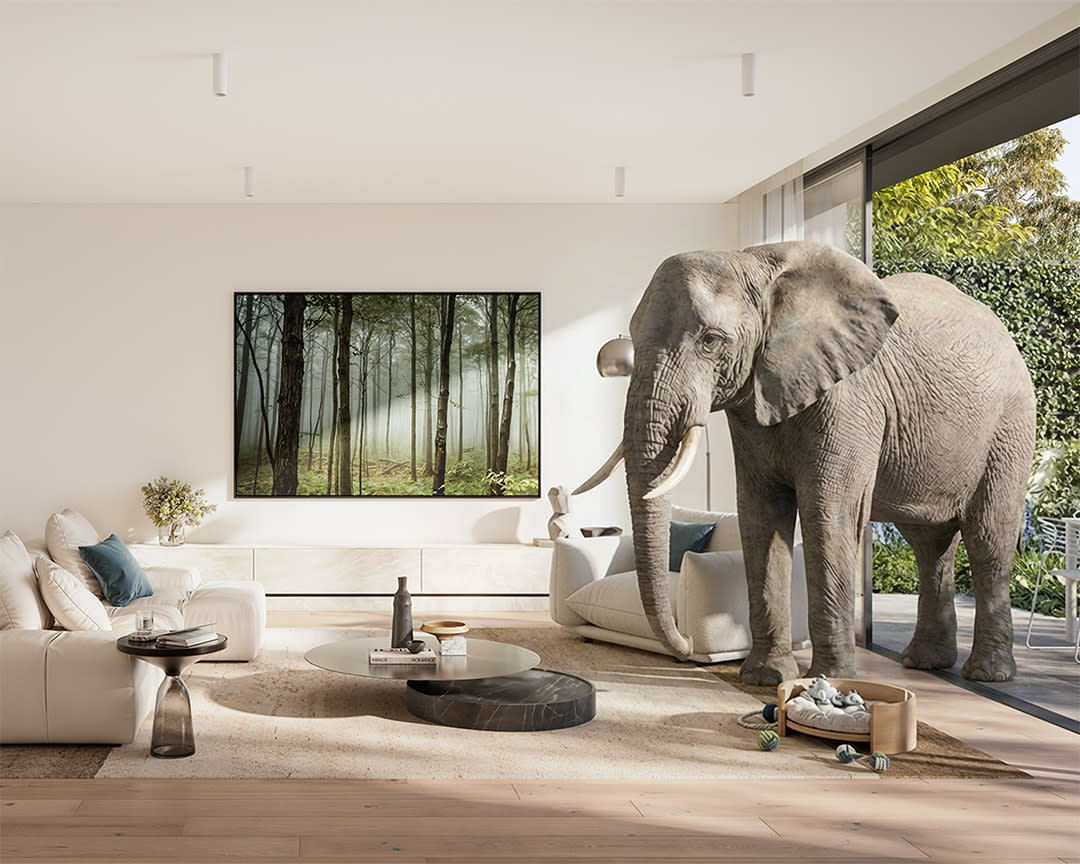
The internal planning begins with width. Living areas extend beyond five metres, allowing furniture, circulation, and glazing to sit comfortably within the same zone without compression. Ceiling heights shift from three metres through to five metres in select areas, changing the sense of scale as you move through the apartment. These proportions are paired with double-glazed windows and fully electric systems, balancing volume with performance, supported by a 7.2 NatHERS energy rating.
From the main living space, the apartments open directly outward. Large sliding doors connect to private gardens averaging 125 square metres, with some residences also incorporating balconies of around 60 square metres. Rather than acting as secondary outdoor zones, these areas sit flush with the internal floor level, extending the usable footprint of the home and allowing for multiple modes of use, whether for quiet daily routines or larger gatherings.
The landscape, led by John Patrick, reinforces this relationship. Across the site, 23 different plant species have been introduced, including a mix of native and established varieties, arranged to maintain privacy while preserving sightlines and light access. Gardens are not treated as decorative buffers but as functional extensions of the apartments, shaped to accommodate movement, seating, and informal use over time.
Architecturally, the project draws from Kew’s historic residential language. Handmade bricks by Krause define the exterior, grounding the buildings within the material palette of the suburb, while interior finishes, stone, timber flooring, and restrained detailing, continue this approach internally. Architect Chris Idle describes the intent as long-term rather than stylistic: “We wanted it to feel timeless.”
This emphasis on durability extends to how the buildings are accessed and secured. Entry is managed through keyless systems, with a double-gated basement incorporating number plate recognition for vehicle access. Each residence is paired with a private lock-up garage accommodating two to three cars, alongside storage, while all entry points are monitored continuously. These measures sit alongside EV readiness and fully electric infrastructure, aligning the project’s operational systems with its long-term design outlook.
The setting remains central to how the development is experienced. Located within walking distance of Kew Junction and close to established schools including Carey Grammar and Xavier College, the address benefits from existing infrastructure while maintaining a residential quietness that is increasingly difficult to find at this scale.
Construction is being delivered by Sinjen, with a 10-year structural guarantee, with completion targeted for mid-2027.
Joel Robinson
Joel Robinson is the Editor in Chief at Apartments.com.au, where he leads the editorial team and oversees the country’s most comprehensive news coverage dedicated to the off the plan property market. With more than a decade of experience in residential real estate journalism, Joel brings deep insight into Australia’s evolving development landscape.
He holds a degree in Business Management with a major in Journalism from Leeds Beckett University in the UK, and has developed a particular expertise in off the plan apartment space. Joel’s editorial lens spans the full lifecycle of a project, from site acquisition and planning approvals through to new launches, construction completions, and final sell-out, delivering trusted, buyer-focused content that supports informed decision-making across the property journey