The inflation result the property market was waiting for
For the first time in a long time, Australia's inflation story is starting to look more like a landing than a fight.
The latest Consumer Price Index figures from the Australian Bureau of Statistics showed annual inflation eased to four per cent in May, down from 4.2 per cent in April. On the surface, that might not seem like a major move. Inflation remains above the Reserve Bank's target range and some categories continue to record stubborn price growth.
But the significance of this result lies less in where inflation sits today and more in what it means for where interest rates are likely heading next.
The biggest takeaway is that inflation continues to move in the right direction.
Markets had been bracing for another sticky result after a period where progress appeared to stall. Instead, headline inflation came in softer than expected, helped by falling fuel prices and easing transport costs. Annual transport inflation halved from 6.6 per cent in April to 3.3 per cent in May, while automotive fuel prices fell 11.9 per cent during the month following lower oil prices and the impact of reduced fuel excise measures.
While petrol prices don't solve Australia's affordability challenges, they are one of the most visible and immediate costs for consumers. Falling fuel costs feed through the economy quickly, helping ease pressure on household budgets and business operating expenses.
The ABS data also showed headline inflation is now sitting at its lowest annual level in several months, reinforcing the broader trend that price growth is gradually moderating.
That trend is important because it aligns with what many economists and lenders have been saying for the last month.
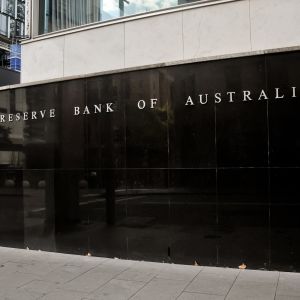
Prior to this week's inflation data, ANZ, NAB and Commonwealth Bank had all shifted their forecasts, now believing the Reserve Bank had likely reached the peak of the interest rate cycle. Following the May inflation release, ANZ reaffirmed that view.
In its latest economic update, ANZ said it expects quarterly trimmed mean inflation to come in at 3.7 per cent for the June quarter, slightly below the Reserve Bank's forecast of 3.8 per cent. Importantly, the bank said that outcome, when combined with slowing economic activity, "supports our view that the cash rate has peaked".
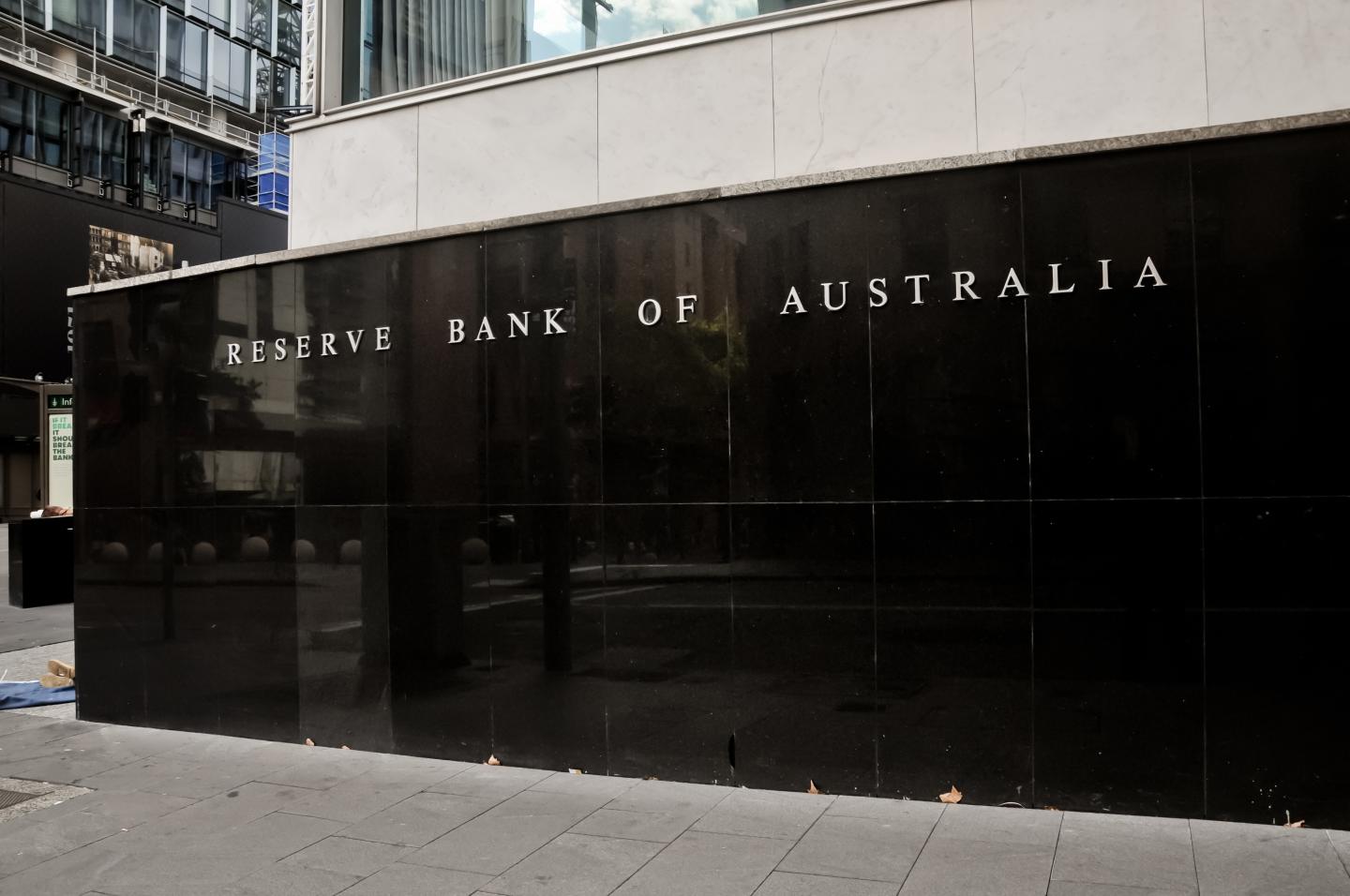
The Reserve Bank has spent the better part of three years attempting to bring inflation under control through higher interest rates. If Australia's major banks are correct and rates have now peaked, the conversation shifts from how much higher rates could go to when they might begin coming down.
Westpac's caution comes from underlying inflation. The trimmed mean, the measure most closely watched by the Reserve Bank, increased from 3.4 per cent to 3.6 per cent annually. Housing inflation remains elevated at 6.5 per cent, reflecting ongoing increases in rents, electricity costs and new dwelling construction.
Electricity prices remain particularly problematic, rising 21.1 per cent over the past year following the removal of government rebates.
Housing construction costs are also showing signs of renewed pressure. ANZ noted new dwelling costs rose 0.9 per cent in May and are now running at an annualised pace of 8.6 per cent over the past three months. Builders continue to face higher labour, fuel and material costs, a reminder that inflationary pressures have not completely disappeared.
Housing affordability has deteriorated largely because of higher interest rates rather than higher property prices alone. Even modest reductions in mortgage rates would improve borrowing capacity, increase buyer confidence and reduce repayment pressure on existing homeowners.
While August is far from a certainty, the latest inflation result has strengthened the view that the next move in rates is more likely to be down than up. For borrowers, buyers and the development sector, that alone represents a significant shift from the conversation that dominated much of the past two years.
Joel Robinson
Joel Robinson is the Editor in Chief at Apartments.com.au, where he leads the editorial team and oversees the country’s most comprehensive news coverage dedicated to the off the plan property market. With more than a decade of experience in residential real estate journalism, Joel brings deep insight into Australia’s evolving development landscape.
He holds a degree in Business Management with a major in Journalism from Leeds Beckett University in the UK, and has developed a particular expertise in off the plan apartment space. Joel’s editorial lens spans the full lifecycle of a project, from site acquisition and planning approvals through to new launches, construction completions, and final sell-out, delivering trusted, buyer-focused content that supports informed decision-making across the property journey