Subdued capital growth in residential property market: Binesh Seetanah

GUEST OBSERVATION
Australia has been an attractive destination for international investors attracted by the higher yields prevailing. Quantitative easing in the US, Japan and now Europe has meant yields globally are low. International investors attracted by Australian yields have contributed to the higher housing prices in Australia.
In Australia, capital appreciation of residential property will be constrained over the next several years reflecting housing affordability constraints, concerns about unemployment and reduced international investment capital flows.
Quantitative easing in the US ended in 2014 and interest rate increases are now foreshadowed later in 2015, which will reduce the relative attraction of Australian investments.
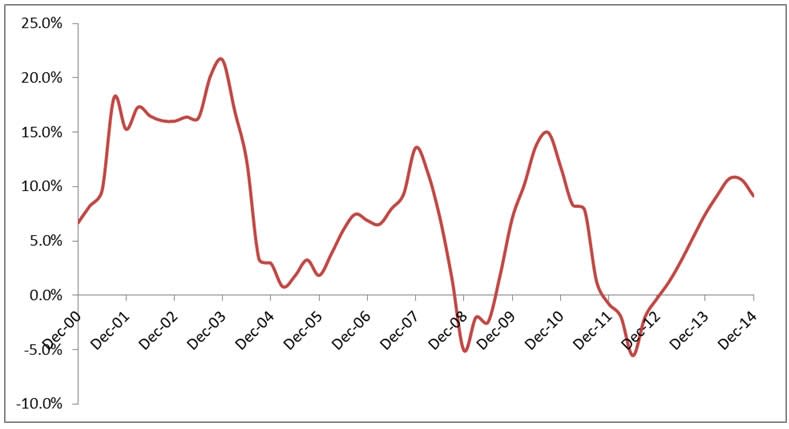
In Chart 1 is shown the rate of appreciation in Australian residential property over 15 years to 31 December 2014.
Chart 1 – Residential property appreciation
Source: REIA (2015), Atchison Consultants (2015)
The rate of appreciation peaked in June 2014.
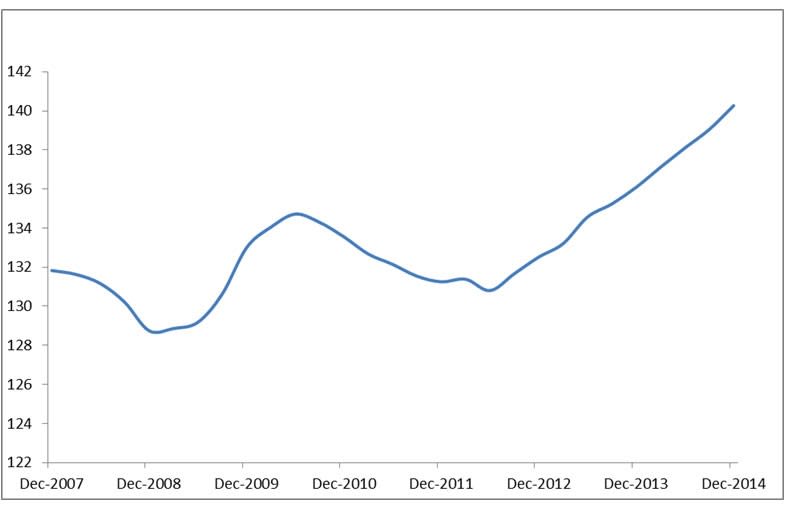
Housing affordability levels indicate prospectively weaker demand for residential property. In Chart 2 is shown the growth in housing debt to income over the past seven years to 31 December 2014, over the period of major falls in interest rates.
Chart 2– Housing Debt to Income
ABS (2015) Atchison Consultants (2015)
Housing debt has risen significantly since mid 2012. The ratio of housing debt to income is at a record high of 140.3% of income at 31 December 2014. The drive from lower interest rates increasing debt levels, which in turn will finance residential property purchases, will be tested.
A study by the HIA pointed to an increase in house price to income ratio, further highlighting housing affordability concerns.
The Australian economy is in transition from the mining boom reflected in an increase in unemployment levels over the last two years. Despite this rise in unemployment, house prices have increased. This has been driven by purchases by foreign investors, primarily from Asia.
Slower Australian economic activity indicates that the unemployment rate may rise and consequently demand for residential property may be lower.
Binesh Seetanah is an analyst at Atchison Consultants.