Foreign investment bush buy up accelerates with Billabong Station sold to US hedge fund giant Cargill
Foreign investment bush buy up accelerates with Billabong Station sold to US hedge fund giant Cargill
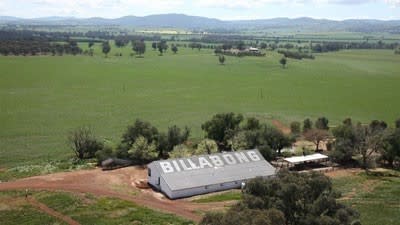
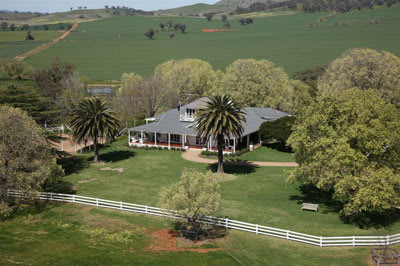
Cargill, the United States rural conglomerate, has reportedly bought Billabong Station near Wagga Wagga through its hedge fund subsidiary, Black River Asset Management.
Cargill’s most recent acquisition was buying the Packer family’s investment in meat processor Teys Bros last year. In 2011 Cargill Australia, which was established in 1967 in the Australian grain export industry, also acquired the AWB trading and origination arm.
Its most recent NSW farm purchase was 2,100 hectares in the Bland shire for $4.7 million in 2010 through its entity BFB Pty Ltd.
BFB, an unlisted farming company, according to accounts filed with the corporate regulator, made a $5.4 million profit in the year ending December 2010 after a $200,000 loss the year before.
The accounts show the group has more than $83 million in property and infrastructure and collects about $20 million in revenue per year.
Founded in 1865, Cargill is an international provider of food, agricultural and risk management products and services. In fiscal year 2011, Cargill had $US119.5 billion in sales and other revenues. Earnings from continuing operations were $US2.69 billion.
The Billabong purchase has not been registered with the NSW land titles office.
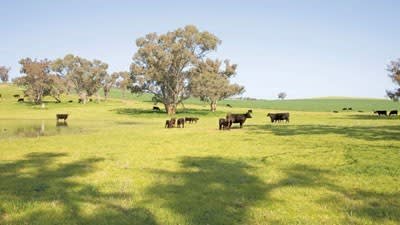
The company’s purchase of Billabong Station was believed to be worth between $9 million and $10 million.
The 1,875-hectare grazing and dry land cropping property was sold by David Baffsky.
The Australian Financial Review reported the sale did not include any sheep or cattle but did include 560 hectares of wheat, canola and triticale.
The marketing agents Landmark Harcourts and Meares and Associates noted the crop return for the first year could exceed 10%.