InvestingLocal buyers should beware the hype caused by foreign investment in the Australian property market: Mark Armstrong
Local buyers should beware the hype caused by foreign investment in the Australian property market: Mark Armstrong

There is no doubt that a heap of overseas investors buying new property in Australia is great for our economy.
It provides thousands of jobs in the construction industry and flows international cash into our coffers.
However, there can be a downside for local investors who get caught up in the hype.
International investors are largely uneducated to the ways and value of the Australian property market. They rely heavily on the advice from sales people who use slick marketing techniques to sell their wares.
Overseas buyers can and often do pay too much for property because they do not fully understand the market they are entering.
In addition, the motivation of overseas buyers may be at odds with their local counterparts. As a rule Australian buyers purchase property to provide a roof over their heads and to make money.
While most overseas investors want to make money they also buy property in Australia to assist with plans of migration into the country. They are often also motivated by the need to get their money out of the country they live in because the economy may be too unstable. Australia has a very well established system of property ownership and for foreigners, so even if their property loses value, at least they can be certain they will maintain control of their asset.
From afar they view the Australian property market as a safe haven that has held its feet while global property markets have faltered.
Australia has traditionally had stringent foreign investment laws and although these have been relaxed in recent years buying into new developments is an easy way for foreigners to get a foothold in the market.
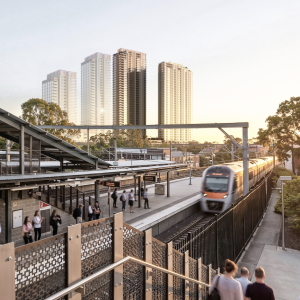
Take for example this development (pictured below) on Mt Alexander Road, Flemington in Melbourne’s inner north.

These properties have been marketed to international buyers fetching prices well in excess of $500,000. Once a number of properties have been sold this sets a precedent to determine value of the remaining properties and gives the sales team very powerful tools to market the remaining apartments.
From here the valuers now have data to justify their valuations to the banks to allow funds to be lent against the apartments. The main concern is the valuations have been based on sales to players that are operating under different rules with a range of motivations.
As resales of these apartments begin to hit the market we start to see the impact on the investor. The problem is the foreign buyers who are lining up to buy Australian property are not able to compete in the secondary market due to foreign investment restrictions. Further the marketing incentives such as stamp duty savings and rental guarantees are no longer there. As a result the demand is significantly dampened.
The greatest danger an investor faces is the resale of a new property the first time around because the property value must adjust to a true market value.
For example, unit 1213 in this development was purchased in 2010 for $582,500 and while the market conditions where very strong at the time the recent resale price is out of whack with what happened in the broader market. The property sold in late 2012 for $476,000, taking almost a 20% hit on its original sale price.
The lesson here is developments where the sales are heavily skewed towards international buyers should set alarm bells ringing for local buyers.